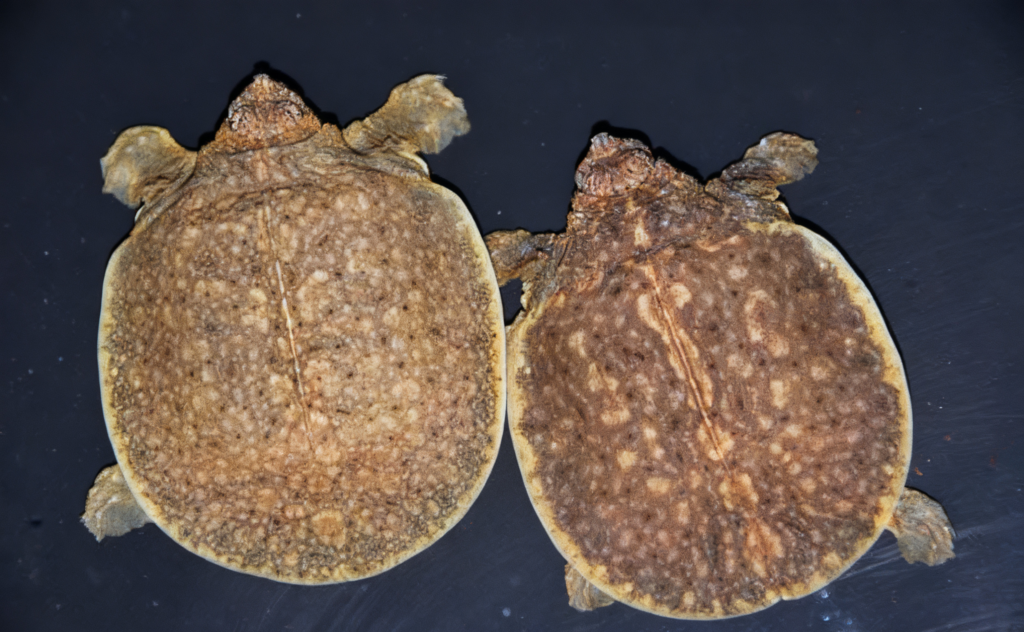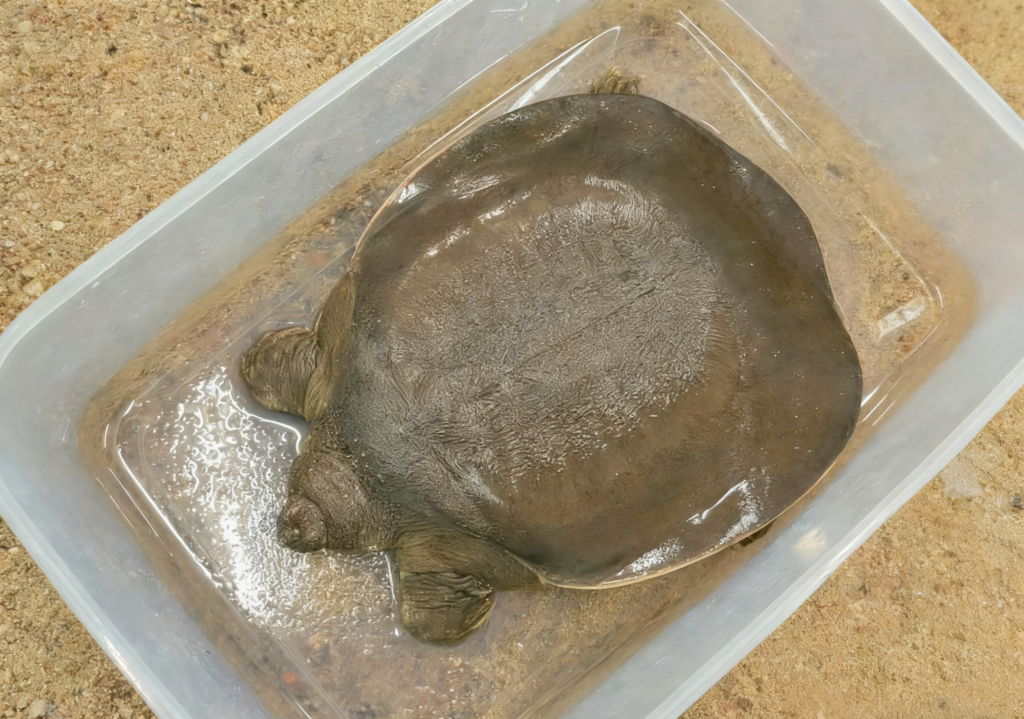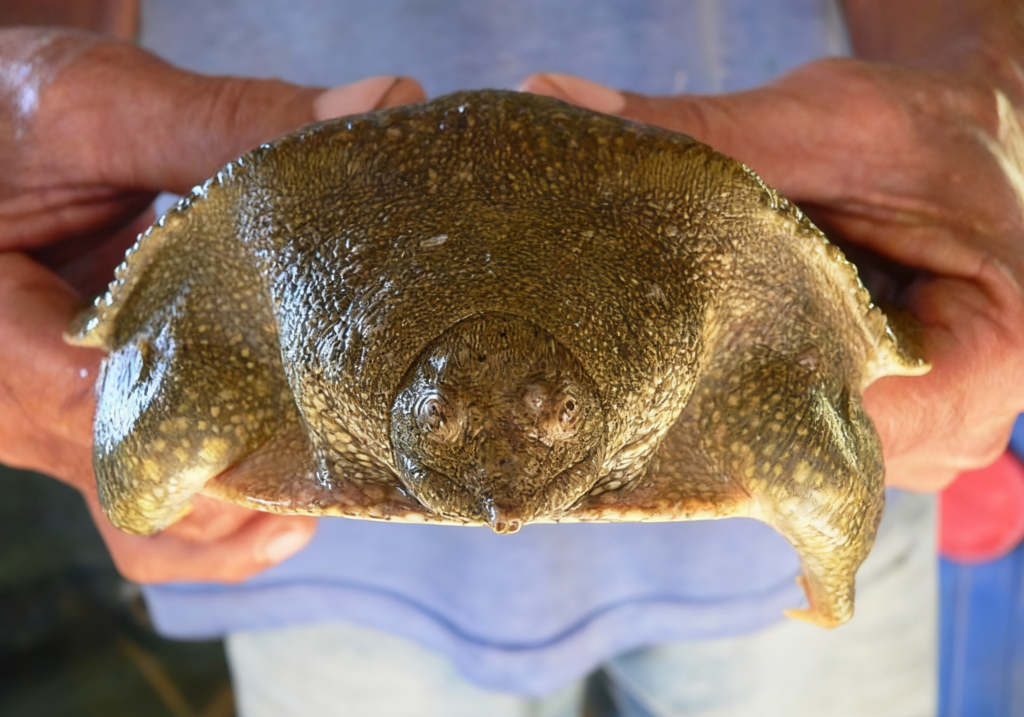
Our project aims to rescue the critically endangered Asian giant softshell turtle (Pelochelys cantorii) from the brink of functional extinction by engineering its scientifically-informed return to China’s rivers. Although successful captive breeding provides a lifeline, a critical bottleneck persists: a complete lack of data on wild spatial ecology and evidence-based protocols for reintroduction. Without this knowledge, releasing captive-bred individuals is a risky gamble. Our initiative, based at the Qingtian Nature Reserve on the Oujiang River, directly addresses this gap to transform hope into a viable recovery strategy. The overall objectives are to develop and validate the first species-specific GPS tracking technology for this elusive giant, using the data to quantitatively map its critical habitat requirements and movement patterns. This spatial intelligence will inform the establishment of a rigorous pre-release acclimation protocol in semi-wild enclosures, ensuring post-release survival. Concurrently, we are creating a genetic baseline for the captive population to strategically guide breeding and release decisions, safeguarding long-term genetic health. Furthermore, this project is designed to build permanent local conservation capacity through hands-on training and technology transfer with reserve staff, ensuring the work’s legacy. A parallel community engagement program will foster local stewardship by highlighting the turtle’s status as a living piece of cultural heritage. This work moves beyond documenting decline to actively enabling restoration, turning captive assurance into a true demographic rescue. The successful development of this reintroduction toolkit will not only guide the return of P. cantorii but will also establish a replicable, evidence-based model for conserving other cryptic freshwater megafauna across Asia and the world.
More here